Sewer Line Repair & Replacement in Atlanta, TX
A wooded-lot home near Atlanta’s downtown can have a sewer failure buried under red clay, roots, or saturated ground. One phone call gets the right sewer line visit sorted.
Plan
The right visit for the job
Older Atlanta homes, crawl-space houses, and slab properties commonly need an inspection first, followed by spot repair when the rest of the sewer line remains sound.
Quote
A straight quote
The quote is given on the call after reviewing the line condition, access, distance, parts, materials, and time on site.
Time
A visit time
The visit time is set on the call around access to the yard, home, sewer cleanout, and work area.
Atlanta homes near downtown, wooded lots along the edges of town, and properties in Cass County’s low areas face different sewer line access problems. We work around crawl spaces, slabs, clay yards, driveway crossings, and saturated ground when inspecting, repairing, or replacing sewer lines.
Services
Sewer Line Repair & Replacement Services in Atlanta
Atlanta’s small-town homes often sit among wooded lots where roots reach older sewer piping and red clay holds water after heavy thunderstorms. Crawl spaces, slabs, narrow side yards, and long private drives can change how the line is reached. Commercial properties near local roads may also need careful work around parking, service access, and active business areas.
Residential sewer repair
Residential sewer repair in Atlanta addresses damaged lines serving crawl-space homes, slab houses, and wooded lots where roots or clay movement affect flow.
Sewer backup repair
Sewer backup repair in Atlanta starts by finding where flow is restricted, then checking the line for breaks, collapse, heavy roots, or recurring blockage.
Sewer camera inspection
A sewer camera inspection shows Atlanta property owners the interior condition of accessible piping before deciding between cleaning, spot repair, or line replacement.
Root intrusion removal
Root intrusion removal helps Atlanta homes with mature trees, but the line may still need spot repair if roots entered through a cracked joint.
Trenchless sewer replacement
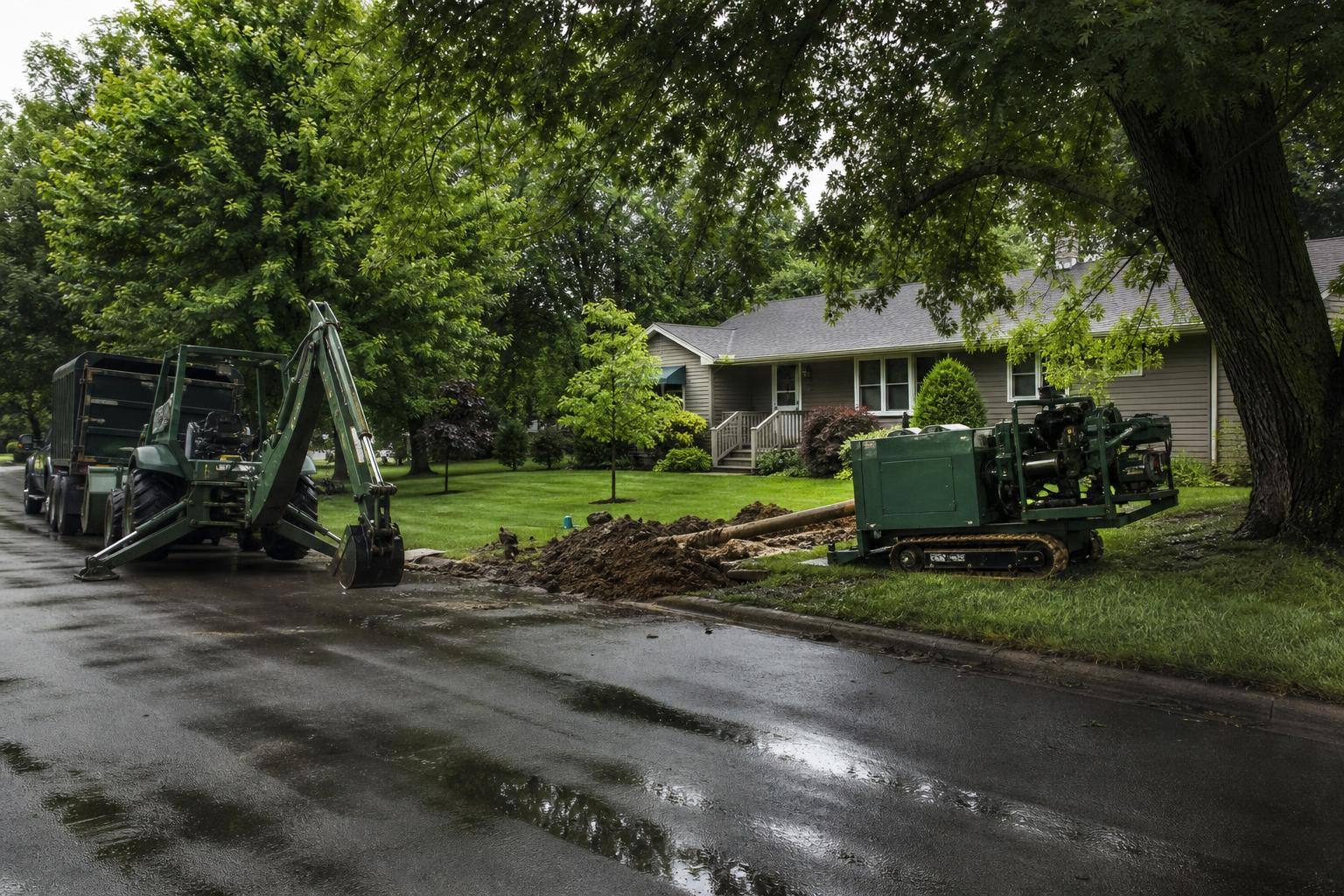
Trenchless sewer replacement can limit yard disturbance in Atlanta when the line path, depth, access points, and pipe condition support that method.
Commercial sewer repair
Commercial sewer repair around Atlanta keeps attention on service access, customer areas, parking surfaces, and the larger flow demands of the property.
Main line replacement
Main line replacement in Atlanta is considered when a long section has failed, collapsed, or repeatedly loses flow beneath a yard, drive, or slab.
Sizes
Sewer Line Repair & Replacement Options Available in Atlanta
Many Atlanta sewer jobs begin with an inspection because a backup does not always mean the entire line has failed. Red clay, roots, and saturated low areas can affect one section while the rest remains serviceable, making a spot repair a practical next step.
| Size | Dimensions | Good for |
|---|---|---|
| Sewer Line Inspection | A technician examines accessible sewer piping and identifies likely blockage, damage, or failure points. | An inspection fits an Atlanta home with slow drains, repeated backups, or uncertain pipe condition. The technician examines accessible sewer piping and identifies likely blockage, damage, or failure points. |
| Localized Sewer Repair | A damaged section is repaired when the surrounding line remains structurally serviceable. | A spot repair suits an Atlanta property where one cracked joint, root entry, or damaged section is found and the surrounding sewer line remains structurally serviceable. |
| Sewer Line Replacement | A substantially failed sewer line is replaced using an appropriate open trench or trenchless method. | A line replacement fits a substantially failed sewer line beneath an Atlanta yard, driveway, or slab. The plan uses an appropriate open trench or trenchless method. |
Which option fits common Atlanta projects
| Project | Size | Why |
|---|---|---|
| Recurring home backup | inspection | An inspection can separate a recurring blockage from root damage, a broken joint, or a collapsed section beneath an Atlanta home. |
| Tree root entry | spot repair | Spot repair fits when roots entered through one damaged section and the rest of the line remains structurally serviceable. |
| Collapsed yard line | line replacement | Line replacement is more suitable when clay movement, saturated ground, or age has caused a substantial collapse. |
| Commercial flow loss | inspection | An inspection identifies the failure point before work disrupts parking, service access, or active areas at an Atlanta business. |
| Old main sewer | line replacement | A line replacement may fit when repeated failures show that a long main line section cannot be restored with a local repair. |
Schedule Atlanta sewer line service
Click Here to Call (888) 206-2089Cost
What Affects Sewer Line Repair & Replacement Cost in Atlanta
The exact quote is given on the call after the job is understood. Sewer line prices depend on the type and size of the failure, parts and materials, time on site, distance, access, trench or trenchless work, and after-hours conditions.
To avoid surprise charges, describe the symptoms, recent backups, cleanout location, property layout, and known pipe history during the call. The exact quote is given after those job details are reviewed.
Line condition
A blockage, root opening, cracked joint, and collapsed pipe require different work. Camera findings and the length of damaged sewer line affect the repair plan.
Access and distance
Atlanta’s wooded lots, narrow side yards, long drives, slabs, and saturated low areas can increase setup time or limit equipment access from the street.
Parts and materials
The pipe type, connection parts, replacement materials, fittings, and restoration approach depend on the existing sewer line and the selected repair method.
Work time
Time on site changes with excavation, locating the line, protecting structures, managing groundwater, restoring flow, and handling after-hours sewer problems.
What goes in
Types of Work We Handle
Sewer Backups
Sewer backups include wastewater standing in drains, tubs, or floor-level fixtures. An Atlanta home after a heavy storm may need the line checked for blockage, roots, or damage.
Damaged Sewer Lines
Damaged sewer lines include cracked, separated, sagging, or collapsed sections. Red clay and saturated ground around Atlanta properties can affect trench stability and line access.
Root Intrusion
Root intrusion occurs when roots enter joints or cracks and restrict flow. Wooded Atlanta lots with mature trees may need removal followed by repair of the entry point.
Not accepted
This service does not cover unrelated plumbing fixtures, hazardous materials, electrical work, or items improperly put into the sewer system, such as grease, wipes, or bulky waste.
How to protect your home in Atlanta
Keep drains clear
Avoid grease, wipes, and bulky waste so the line is not loaded with preventable restrictions.
Find the cleanout
Locate the exterior or interior sewer cleanout before the visit and keep its cover accessible.
Record backup signs
Note which fixtures back up, when flow slows, and whether the problem follows heavy rain.
Protect the work area
Move loose items, secure pets, and keep people away from the yard, crawl space, or utility room.
Save pipe records
Have prior camera findings, repair notes, and property plumbing changes ready for review.
Projects
Sewer Line Repair & Replacement for Different Projects
Residential Sewer Line Repair
Residential sewer line repair in Atlanta addresses damaged piping beneath wooded yards, crawl spaces, slabs, and driveways serving small-town homes.
Commercial Sewer Line Repair
Commercial sewer line repair in Atlanta and Cass County considers parking, customer access, service entrances, and the property’s larger drainage demand.
Sewer Backup Sewer Line Repair
Sewer backup sewer line repair identifies the restriction before restoring flow, especially when an Atlanta home backs up after heavy thunderstorms.
Root Intrusion Sewer Line Repair
Root intrusion sewer line repair in Atlanta removes the obstruction and checks whether cracked joints or damaged sections need a lasting repair.
Collapsed Pipe Sewer Line Repair
Collapsed pipe sewer line repair suits a failed section beneath an Atlanta yard or drive where flow cannot return through cleaning alone.
Trenchless Sewer Line Repair
Trenchless sewer line repair may limit excavation across an Atlanta driveway, established yard, or other surface when the line path and access support it.
Main Line Sewer Line Repair
Main line sewer line repair in Atlanta addresses substantial failures affecting the primary sewer route from the property toward the connection.
How it works
How Sewer Line Repair & Replacement Works in Atlanta
Call For Sewer Help
Describe the backup, slow drains, odors, cleanout location, property type, and recent weather so the sewer line visit can be matched to the problem.
Inspect The Sewer Line
The technician examines accessible piping and looks for blockage, roots, damage, collapse, and failure points before recommending the next job type.
Approve The Repair Plan
The repair plan explains whether inspection, spot repair, or line replacement fits the findings, access limits, and condition of the Atlanta property.
Restore Proper Flow
Approved work addresses the failed section using an appropriate repair method, with placement shaped by the yard, slab, crawl space, or driveway.
Weather in Atlanta
Atlanta’s hot humid summers can dry surface soil while heavy thunderstorms saturate low areas and weaken trench walls. Red clay may hold water around an excavation, so the work area, equipment access, and trench approach are reviewed before digging.
Work area access
Sewer work may reach through a crawl space, slab, utility room, cleanout, yard, or driveway. Atlanta properties with wooded boundaries, narrow side access, buried utilities, fences, and long drives can limit equipment placement and change the open trench or trenchless approach.
Permits
Sewer Line Repair & Replacement Permits and Placement Rules in Atlanta
Access rules
Work in a public street, sidewalk, or right of way may require review or inspection from the City of Atlanta or another responsible local government authority, depending on the location. The call covers which authority applies and who arranges required approvals for the sewer line work.
Landlord and HOA requirements
An HOA, subdivision covenant, or landlord in Cass County may set rules for excavation, driveway access, lawn restoration, or contractor entry. Have those requirements ready so the work plan can account for them.
What the work area needs
Clear access to the suspected sewer path, cleanouts, shutoffs, crawl spaces, and utility rooms. Keep vehicles, pets, and people away from the work area, and mention saturated ground or storm conditions that may limit safe trench access.
Timing
Seasons, Weather and the Best Time to Call in Atlanta
Sewer problems in Atlanta can surface after heavy thunderstorms when saturated low areas expose weak joints, backups, or poor drainage. Hot humid weather also affects working conditions and soil moisture. Root intrusion may become more noticeable as mature trees continue growing through wooded properties, while colder periods can make access and restoration less predictable.
Storm-soaked low areas
After heavy rain, Atlanta’s low ground can hold water around a sewer route and make trench walls less stable. Report recent storms and standing water when setting the visit.
Roots in wooded lots
Root-related restrictions can recur around wooded Atlanta homes as roots enter cracked joints. Camera findings help distinguish a removable intrusion from a section needing spot repair or replacement.
Arrange sewer repair in Atlanta
Click Here to Call (888) 206-2089Service area
Sewer Line Repair & Replacement Areas We Serve
Service covers homes and businesses throughout Atlanta, including properties near downtown, wooded lots on the town’s edges, residential streets, and routes through Cass County. Nearby work can also be discussed for Carthage, Flower Mound, Colleyville, Alvarado, and Burleson when the job location and access are reviewed on the call.
Atlanta is part of our Cass County coverage, and we also serve the neighboring communities below.
Why us
Why Call a Sewer Line Repair & Replacement in Atlanta?
Atlanta’s small-town homes often combine crawl spaces, slabs, mature trees, and long yard runs. That makes the cleanout location, pipe path, and access from the driveway relevant before choosing inspection, spot repair, or line replacement.
Red clay and storm-saturated low areas around Atlanta can change excavation conditions quickly. The work plan needs to account for trench stability, equipment placement, nearby structures, and whether a trenchless method is practical.
FAQs
Sewer Line Repair & Replacement FAQs
How much does sewer line repair cost in Atlanta?
Sewer line repair cost in Atlanta depends on the type and size of failure, pipe condition, parts and materials, time on site, distance, access, excavation method, and after-hours work. The exact quote is given on the call after the property layout and symptoms are reviewed.
Which sewer line visit fits my Atlanta home?
A sewer line inspection usually fits first when the cause is unclear. Localized sewer repair fits one damaged section with a serviceable surrounding line, while line replacement fits a substantially failed line beneath an Atlanta yard, slab, or driveway.
How soon can someone come for sewer help in Atlanta?
The visit time is set on the call after the sewer symptoms, property access, and work conditions are reviewed. Explain whether wastewater is backing up, which fixtures are affected, and whether the problem followed heavy rain.
What does Atlanta sewer line repair cover?
Atlanta sewer line repair covers inspection, localized repair, or replacement of the sewer line, including problems such as backups, damaged piping, root intrusion, and collapse. The selected work depends on the accessible line condition and the approved repair plan.
What does sewer line service not cover?
Sewer line service does not cover unrelated fixture repairs, electrical work, hazardous materials, or improper items placed in the system. Grease, wipes, and bulky waste can cause restrictions but are not a substitute for repairing a damaged line.
Do I need a permit for sewer work in Atlanta?
A permit or inspection may apply when work reaches a public street, sidewalk, or right of way, or when local government review is required. The call covers which authority applies and who handles the required arrangements for the job.
How should I prepare my Atlanta property for sewer repair?
Clear the sewer path, cleanouts, shutoffs, crawl-space entry, utility room, and driveway access. Keep pets and people away from the work area, and mention fences, buried utilities, standing water, narrow side yards, or slab access limits.
What should I have ready when calling about Atlanta sewer repair?
Have the property address, fixture symptoms, backup history, cleanout location, recent storm conditions, prior camera findings, and any known pipe repairs ready. Photos of standing water or accessible cleanouts can also help explain the job.
Does Atlanta rain affect sewer line repair?
Heavy Atlanta thunderstorms can saturate low areas and make red clay less stable around a trench. The work area and equipment access are reviewed for safe placement, and recent standing water should be mentioned when setting the visit.
Can roots damage sewer lines on Atlanta wooded lots?
Roots can enter cracked joints or openings in sewer lines on wooded Atlanta lots and restrict flow. Root removal may solve the immediate obstruction, but the entry point should be checked to determine whether spot repair or replacement is needed.